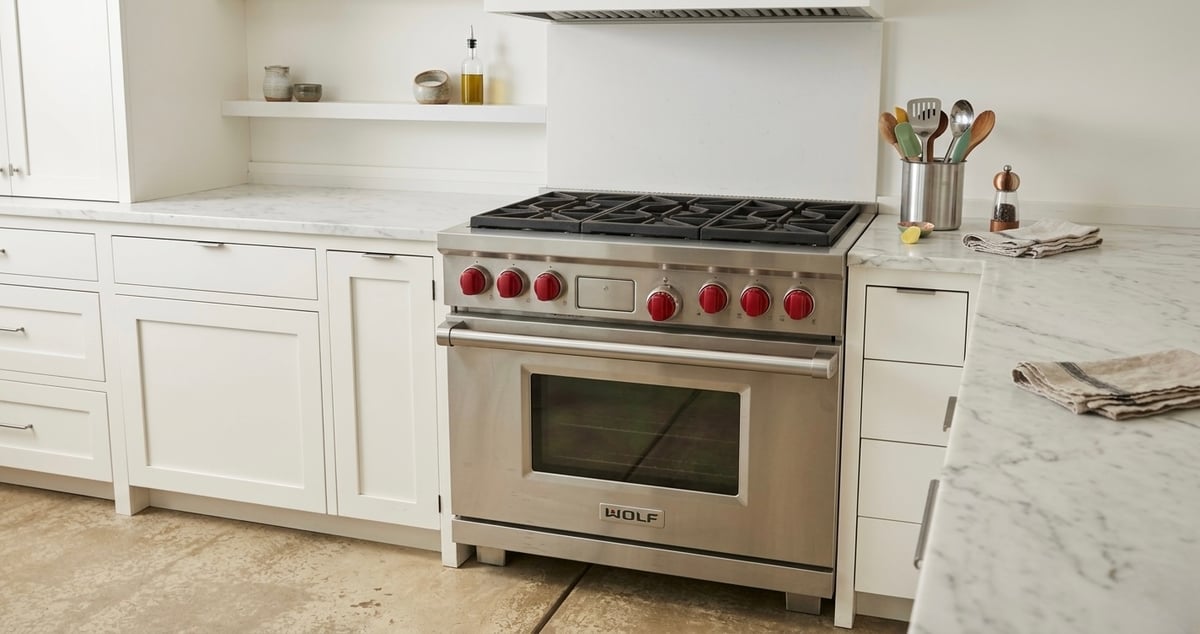
"My oven works — it just never gets to the right temperature. I thought I was doing something wrong, but I've been using this recipe for years."
Temperature problems in wall ovens are among the most frustrating appliance failures — the oven technically works, so it's easy to assume you're doing something wrong before you realize the appliance itself is the problem. That was the situation for a client in a pre-war co-op on the Upper East Side of Manhattan, who had been dealing with inconsistent baking results for nearly two months before calling us.
What the Client Described
The client had a Wolf SO30TM/S 30-inch electric wall oven installed as part of a kitchen renovation about six years earlier. She'd been noticing for some time that baked goods weren't coming out right — cakes were undercooked in the center, roasted vegetables were taking far longer than the recipes specified, and the oven seemed to take an unusually long time to preheat. She'd initially assumed it was a recipe issue or an altitude calibration quirk, but after a particularly failed Thanksgiving attempt, she decided to investigate.
She bought an oven thermometer and ran a test. Set to 350°F, the oven took 47 minutes to reach that temperature — nearly three times longer than normal for this model — and then struggled to hold it. The thermometer was reading anywhere from 290°F to 340°F during what should have been a stable bake cycle. At 450°F, she couldn't get the oven above 390°F at all.
What We Found on Inspection
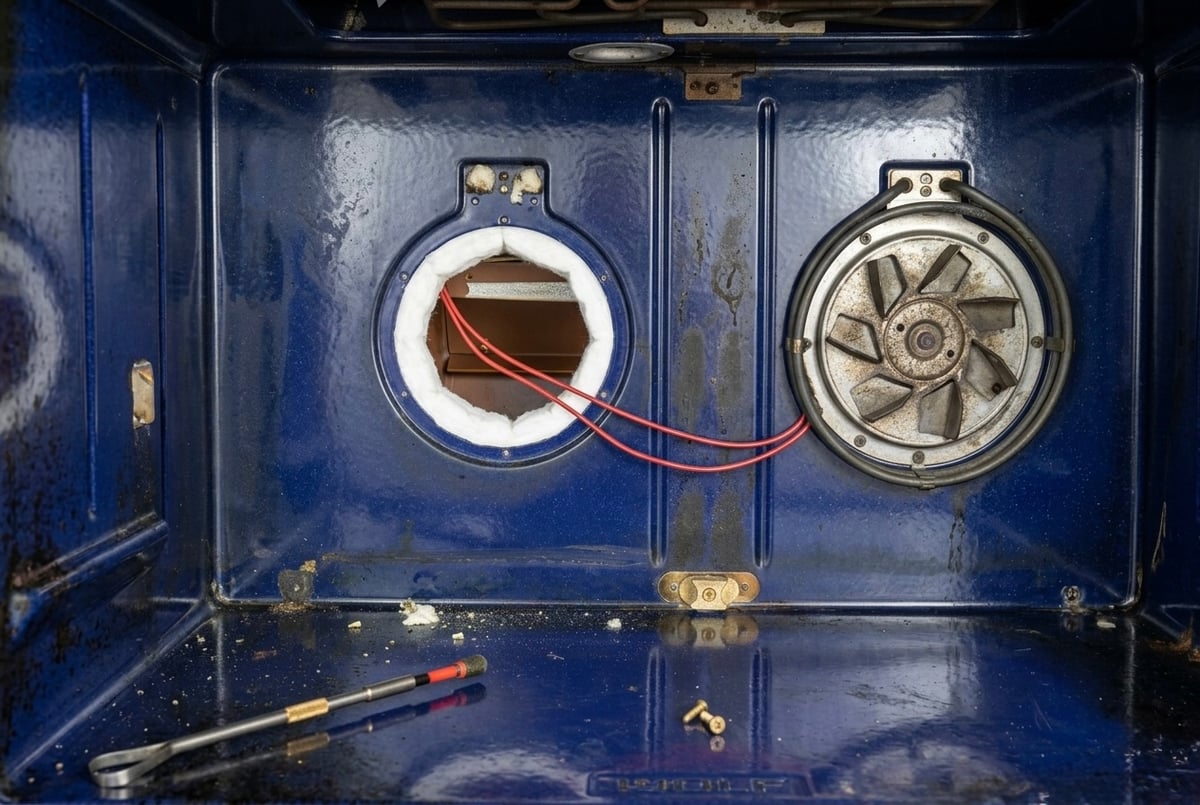
The technician started with a visual inspection of the oven interior. The bake element — the heating element at the bottom of the oven cavity — was visually intact at first glance, no obvious breaks or burn marks. But when he tested it with a multimeter, the result was definitive: the element had partial continuity, indicating an internal break that wasn't visible externally. A partially failed bake element will still produce some heat, but nowhere near the wattage the oven needs to reach and maintain target temperatures. This explained the slow preheat and the inability to hold temperature consistently.
The second issue was the oven temperature sensor — a thin probe that extends from the rear wall of the cavity and reports the actual temperature back to the control board. When the technician tested it, the resistance reading was off by 10 ohms from spec. That sounds insignificant, but in practical terms it meant the control board believed the oven was 15–20°F hotter than it actually was — so it was cutting the heating elements off too early, every single cycle. In plain terms: the oven's thermometer was lying to its own brain. Combined with the weak bake element, the oven was losing the battle on two fronts simultaneously.
The Repair
The technician replaced the bake element with a new Wolf OEM part — the exact-spec element for the SO30TM/S. Bake element replacement on this model requires removing the oven racks, disconnecting the element from its rear mounting bracket, and carefully disconnecting the terminal leads without damaging the porcelain oven liner. The process takes about 30 minutes when done carefully.
For the temperature sensor, replacement was straightforward — the sensor clips in from inside the cavity with two screws and connects to the wiring harness at the rear. After installing the new sensor, the technician ran a calibration check using a calibrated reference thermometer. With the new element and new sensor, the oven reached 350°F in 14 minutes and held within ±5°F for the duration of the test cycle. He then ran it to 450°F to confirm full output — the oven reached temperature in 18 minutes and held steady.
Outcome
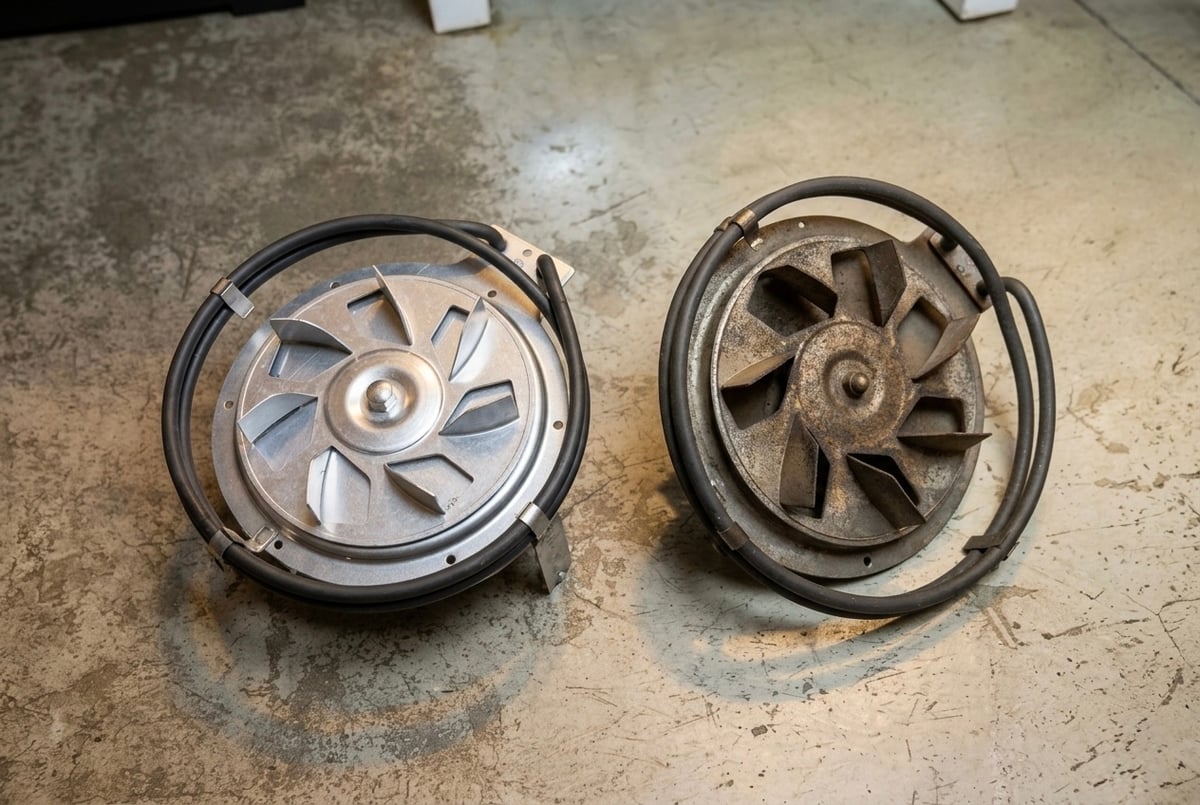
Total visit time was just under two hours. The client was genuinely relieved — she mentioned she'd been second-guessing her cooking for months. We noted in the service record that the broil element tested within spec and the convection fan operated correctly, so no additional work was needed on this visit.
For Wolf wall oven owners: if your oven is preheating slowly or your baked goods are consistently undercooked despite following recipe times, don't adjust your recipes — get the oven tested. A failing bake element almost always presents as a gradual decline rather than a sudden failure, which makes it easy to miss until the problem becomes severe. The client in this case had been compensating for two months without realizing her oven was the problem.
We service Wolf wall ovens across Manhattan and all NYC boroughs. If your oven isn't heating correctly, call us at +1 (212) 470-4787 — same-day service available, free diagnostic with completed repair.